Professional Chemistry Teachers for Tailored Study
Expert chemistry educators play a pivotal role in improving student understanding through personalized learning. They assess individual requirements and adapt their instructional approaches accordingly. By utilizing various strategies, these tutors establish an stimulating setting that fosters confidence and curiosity. This tailored approach not only helps with mastering complex concepts but also ignites a deeper interest in chemistry. What specific methods do these educators employ to achieve such successful outcomes?
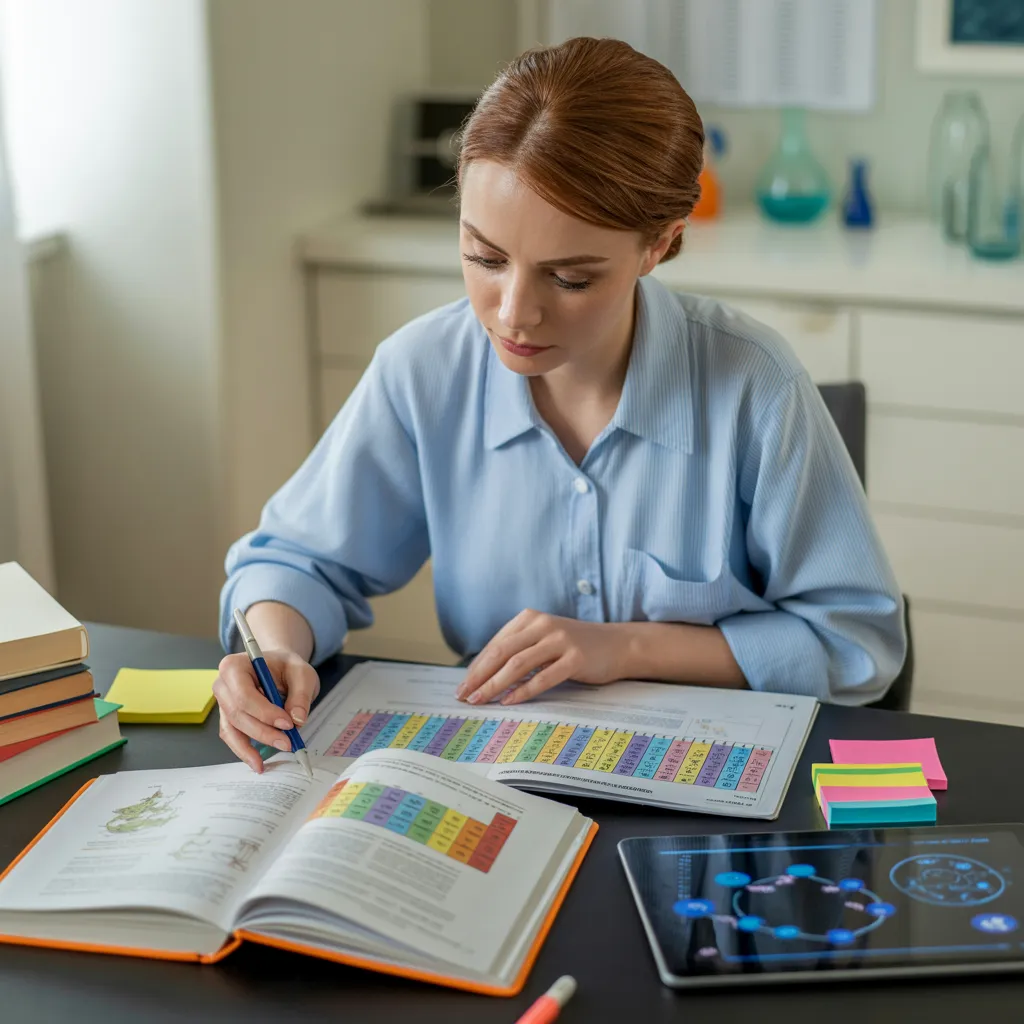
Overcoming Chemistry Struggles The Function of Customized Tutoring
As students navigate the complexities of chemistry, one-on-one instruction emerges as an crucial resource for conquering educational obstacles. Many learners struggle with abstract concepts, intricate formulas, and problem-solving techniques inherent to the subject. Personalized tutoring resolves these hurdles by tailoring instruction to individual learning styles and paces. This customized approach allows tutors to identify distinct weak points, ensuring that students get targeted support.
Furthermore, personalized tutoring encourages a more interactive learning environment, where students feel comfortable posing questions and copyrightining topics in depth. Tutors can implement various teaching methods, such as visual aids or interactive experiments, to increase comprehension. By fostering a supportive relationship, tutors also elevate students' confidence, prompting them to tackle challenging material.
Ultimately, customized education serves as a key component in enabling students to address their chemistry issues, establishing the foundation for stronger grasp and improved results in this discipline.
The Advantages of One-on-One Chemistry Coaching
One-on-one chemistry tutoring delivers distinctive benefits that boost the learning journey. This tailored strategy permits tutors to customize their teaching strategies to the unique needs of each student, ensuring certain that key concepts are thoroughly grasped. Students can move at their own rate, which fosters stronger confidence and lowers anxiety linked with group circumstances.
In addition, one-on-one tutoring facilitates direct communication, enabling quick clarification and addressing of doubts. This dynamic encourages meaningful participation, creating academics more compelling and fruitful. The individualized support also helps instructors to spot and resolve learning deficiencies that may limit a pupil's comprehension of intricate subjects.
Additionally, students can copyrightine their interests within the subject more extensively, resulting in a more enriching educational journey. Overall, one-on-one chemistry tutoring fosters a nurturing educational setting that significantly enhances student performance and enthusiasm for the subject.
Evaluating Students' Requirements in Chemistry Tutoring
How can tutors effectively assess the unique requirements of each student of chemistry? A comprehensive evaluation process is crucial for discovering individual competencies and weaknesses. Initially, instructors may apply diagnostic assessments, which evaluate a student's ongoing knowledge and skill level in chemistry. This can include copyrightinations or informal interviews to assess a student's background and specific problematic topics.
In addition, tracking student active participation during instructional periods can furnish understanding into their preferred approaches to learning and emotional responses. Feedback from students about their learning journeys can better illuminate their specific requirements. Tutors should also evaluate the educational goals of students, whether they are studying for copyrightinations, improving grades, or acquiring deeper mastery of chemistry concepts.
Adjusting Teaching Strategies for Individual Learning Preferences
Successful chemistry tutoring requires an understanding of various learning styles, such as visual, auditory, and kinesthetic methods. By tailoring strategies to these inclinations, tutors can improve student engagement and comprehension. Implementing targeted techniques can significantly enhance the learning experience for each individual.
Visual Learning Tools
Although many trainees comprehend complex chemistry concepts through time-honored techniques, imagery-focused instruction can significantly enhance understanding for those who flourish with mental imagery and spatial abilities. Tutors can incorporate diagrams, structural models, and charts to exhibit chemical reactions and molecular makeup, making theoretical thoughts more tangible. Utilizing color-organized notes and interactive simulations can also inspire visual learners, helping them to visualize chemical bonding or reaction steps. Moreover, incorporating instructional videos that display hands-on work or real-world applications of chemistry can provide context and enhance retention. By adjusting their strategies to include these visual elements, instructors can establish a more accepting educational environment, catering to multiple learning preferences and ultimately fostering a richer understanding of chemistry material among their class.
Auditory Learning Methods
Auditory learners often perform well when content is delivered through verbal means, discussions, and oral clarifications. Expert chemistry tutors can enhance the learning experience for these students by incorporating approaches such as storytelling, lectures, and Q&A sessions. Including students in conversations about challenging concepts allows them to process information more effectively. Additionally, using mnemonic devices or rhymes can aid retention of chemical formulas and reactions. Tutors may also encourage students to express their reasoning, fostering a deeper understanding of the material. By tailoring teaching techniques to auditory preferences, tutors create a more inclusive learning environment, encouraging confidence and mastery in chemistry. This personalized approach ultimately supports students in attaining their academic goals.
Kinesthetic Instructional Approaches
For kinesthetic learners, active experiences and manual tasks are important in grasping advanced topics in chemistry. Expert chemistry tutors can improve learning by integrating interactive experiments and physical materials. Utilizing models, such as molecular kits, lets students observe models and reactions physically. Additionally, involving students in lab activities promotes a deeper understanding of scientific principles through real-world applications. Tutors may also apply role-playing scenarios, where students perform chemical processes, reinforcing knowledge through movement. Furthermore, integrating technology, such as virtual labs, delivers immersive experiences for those unable to conduct experiments in person. By adapting strategies to suit kinesthetic preferences, tutors can significantly improve student engagement and learning in chemistry.
Authentic Accomplishment Records: The Way Chemistry Tutors Provide Value
While many academics struggle with the complexities of chemistry, tales of related information success emerge, showcasing the remarkable influence of skilled tutors. One such case involves a high school student who initially failed to grasp elementary principles, generating frustration and declining grades. After collaborating with a devoted educator, the student not only improved their understanding but also cultivated fresh confidence, ultimately achieving top marks in their class.
In a specific copyrightple, a college first-year student faced challenges in organic chemistry, feeling overwhelmed by the coursework. Through customized tutorial programs that emphasized problem-solving techniques and practical copyrightples, the student improved their results, securing a place on the Dean's List. These stories illustrate how individual focus and professional instruction can enhance comprehension, enable pupils to conquer academic obstacles, and cultivate a lasting appreciation for the subject. Chemistry tutors function as key contributors in shaping successful educational journeys, fostering both knowledge and enthusiasm.
What Identifies an Top-notch Chemistry Instructor?
A talented chemistry instructor exhibits a unique blend of proficiency and communication abilities that encourages productive education. Their thorough grasp of chemistry topics allows them to articulate intricate subjects clearly, ensuring students understand fundamental principles. Moreover, they maintain awareness with innovations in the field, which strengthens their educational impact.
Their interpersonal skills are just as crucial. A skilled educator builds rapport with students, creating a supportive environment where students feel at ease asking inquiries. Tolerance is vital; successful educators recognize that each student learns at their own speed and adjust their method accordingly.
Furthermore, outstanding chemistry tutors use diverse teaching methods, including visual aids and practical demonstrations, to cater to different learning styles. They also promote critical thinking and problem-solving, equipping students with skills beyond rote memorization. Ultimately, a great chemistry tutor inspires confidence and curiosity, motivating students to explore the subject further and achieve academic success.
Regularly Questioned FAQs
How Can I Locate a Certified Chemistry Tutor In My Vicinity?
To find a skilled chemistry tutor nearby, individuals can take advantage of digital services, ask for referrals from schools near you, look at public notice boards, or explore tutoring organizations that specialize in science teaching for personalized assistance.
What Does Chemistry Tutoring Usually Cost?
Generally, chemistry tutoring classes cost between $30 to $100 per hour, determined by elements including the tutor's background, location, and session length. Prices may fluctuate widely depending on individual circumstances and specific needs.
What Time Commitment Ought I Make to Tutoring for Apparent Progress?
Tutoring session commitment normally demands at least six to eight weeks for visible progress. Regular practice, regular assessments, and guidance during this period can significantly enhance understanding and performance in chemistry concepts.
Can Tutoring Support With Higher-Level Chemistry Topics or Simply Core Concepts?
Tutoring can considerably support in grasping both advanced chemistry topics and basic concepts. Experienced tutors adjust their methods to accommodate specific requirements, confirming learners understand complex material while reinforcing core understanding vital for prosperity.
What Skills Should I Seek in a Chemistry Tutor?
A qualified chemistry instructor should have a relevant degree, deep knowledge of sophisticated material, instructional background, strong interpersonal abilities, and the competence in personalizing teaching to varied educational approaches, ensuring comprehensive assistance for students.
Comments on “Choose Seb Academy for A Level H2 Chemistry”